How to File an Uber or Lyft Accident Claim in California
Filing a claim after a rideshare crash works differently than filing one after an ordinary car accident. As any California Uber and Lyft accident lawyer will tell you, the hardest part is usually not proving the other driver was careless. It is figuring out which insurance company is supposed to answer the claim, and getting that company to admit it. This guide walks through how the process actually plays out, from the first report to the point where a claim either settles or heads toward a lawsuit.
Step One: Lock Down the Driver’s App Status
Every rideshare claim turns on one fact: what the driver’s app was doing at the moment of the crash. California ties coverage to whether the driver was offline, logged in and waiting, or on an accepted trip, and the difference can be tens of thousands of dollars against a million. Because so much rides on this single detail, it is often the first thing insurers dispute.
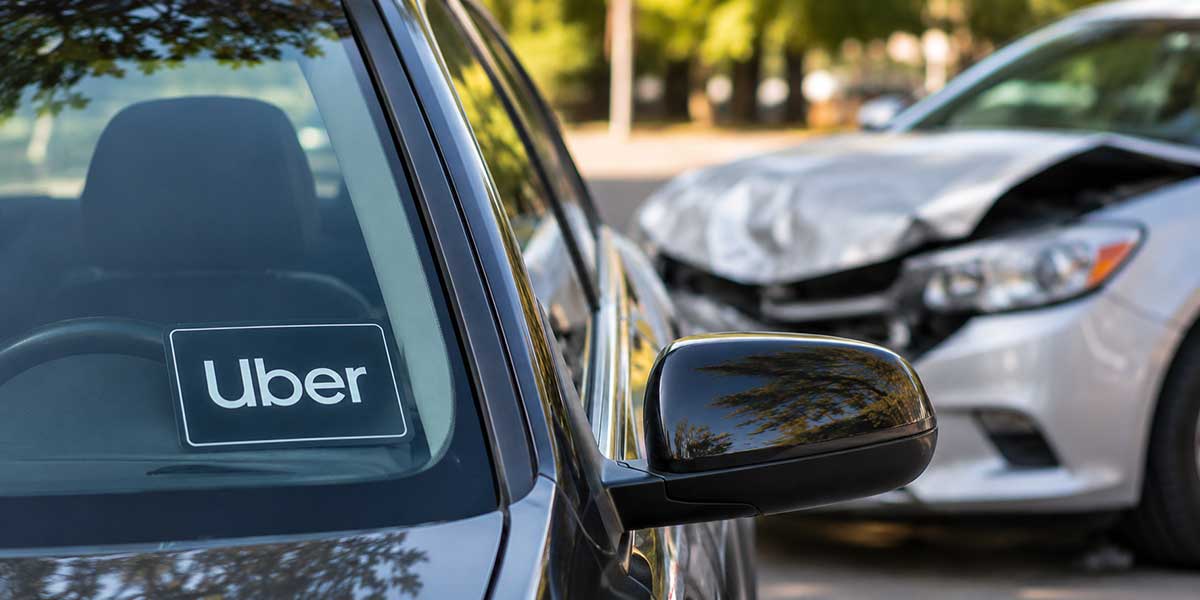
If you were a passenger, your own phone holds strong proof. Take screenshots of the trip screen, your receipt, and the driver and vehicle details before you close the app. If you were in another car or on foot, ask the driver directly whether they were on a trip or logged in, and write down exactly what they say. Look for rideshare stickers on the windshield and note whether there was a passenger in the car. Witnesses who saw a passenger get out after the crash can matter more than you would expect.
Step Two: Report the Crash in the Right Places
Report a rideshare crash in three places. First, call the police so there is an official report that records the drivers, vehicles, and any statements about the trip. Second, report the crash through the Uber or Lyft app, which both companies offer in their help or safety sections. Third, notify your own insurance company, even if you were a passenger and did not drive at all.
That last step surprises people. Your own policy may carry uninsured motorist coverage or medical payments coverage that follows you into someone else’s vehicle, and most policies require prompt notice. Reporting early keeps that option open if the other coverage falls short.
Step Three: Know Who Will Contact You
After a rideshare crash, you may hear from several insurers at once: the rideshare driver’s personal carrier, the commercial insurer that covers the rideshare company, and the insurer for any other driver involved. Each one has its own adjuster and its own interest in keeping its share of the payout low.
These insurers often point fingers at each other. The driver’s personal carrier may say the driver was working, so its policy excludes the crash. The rideshare company’s insurer may say the driver was offline, so its coverage never kicked in. This is especially messy when a driver runs more than one rideshare app at the same time, since two companies’ insurers may each argue the other should respond. While that argument plays out, medical bills keep arriving.
Be cautious with recorded statements during this stage. An adjuster asking casual questions about the trip timeline is often building the case that a lower coverage period applied.
Step Four: Preserve the Evidence Insurers Control
The most important evidence in a rideshare case usually sits with the rideshare company, not with you. Trip logs, GPS data, timestamps showing when the driver logged in or accepted a ride, and in-app communications can all settle the coverage question. Some drivers also run dashcams that record the road and the cabin.
None of this is guaranteed to stick around. A formal preservation request sent early puts the company and the driver on notice that the data is relevant to a claim. If a case moves into litigation, that data can be obtained through the discovery process, but only if it still exists by then.
Step Five: Add Up Every Source of Coverage
In a serious crash, one policy is rarely enough. A full claim often draws on several sources at once, including the at-fault driver’s liability coverage, the rideshare company’s policy for whatever period applied, your own uninsured or underinsured motorist coverage, medical payments coverage, and your health insurance.
This matters more now than it did a few years ago. The uninsured and underinsured motorist coverage rideshare companies must carry during a trip dropped sharply on January 1, 2026, and this breakdown of how SB 371 changed rideshare insurance explains the new limits. For a passenger hurt by an uninsured driver, that lower ceiling means the other sources on the list can decide whether the recovery actually covers the injury.
Step Six: Decide Whether the Claim Can Settle
Once your treatment has progressed far enough to understand the full cost of your injuries, the claim moves into demand and negotiation. A demand package lays out your medical records, bills, lost income, and the evidence on fault and coverage. Settling before you know the long-term picture can leave you paying for future care out of pocket.
If the insurers will not agree on coverage, or the offer does not reflect the injury, the next step is a lawsuit. California generally allows two years from the date of the crash to file an injury case. Rideshare cases tend to eat up that window, because the coverage dispute often has to be untangled before anyone talks seriously about value.
Where These Claims Come From
Rideshare traffic is heaviest in downtown Sacramento, Midtown, and the corridors to and from Sacramento International Airport, where drivers spend long stretches logged in and waiting for requests. That waiting period is exactly where the most coverage disputes arise. If you were hurt in one of those areas, a Sacramento car accident attorney can request the trip data, deal with each insurer, and make sure every available policy is part of the claim.

Brooks Cutter is the founder of Cutter Law P.C., a personal injury and class action firm with offices in Sacramento, Oakland, and Santa Rosa, California. A Stanford Law School graduate and former law clerk to Chief Judge James R. Browning of the Ninth Circuit, Brooks has spent decades fighting for seriously injured clients against corporations and insurers. He is nationally recognized in complex class action and mass tort litigation, has secured verdicts and settlements worth hundreds of millions of dollars, and has been named a Northern California Super Lawyer every year since 2005. He is fluent in Spanish and a devoted father of three.