

How a Class Action Lawsuit Works from Start to Finish
When a company harms a large number of people in the same way, filing individual lawsuits is often impractical. The damages each person suffered may be too small to justify the cost and time of going to court alone. A class action lawsuit solves this problem by allowing one person, or a small group, to sue on behalf of everyone affected. The result is a single case that holds the defendant accountable across all harmed individuals at once.
Understanding how the process works can help you decide whether joining or initiating a class action is the right move for your situation.
What Makes a Case a Class Action
Not every lawsuit involving multiple people qualifies as a class action. In California, class actions are governed by Code of Civil Procedure Section 382, and a judge must formally certify the case before it can proceed.
To earn certification, the case must meet several requirements. The class must be large enough that individual lawsuits would be impractical. There must be common legal or factual questions shared by all members. The claims of the person representing the class must be typical of what everyone else experienced. And the class representative, along with their attorneys, must be capable of fairly representing the entire group.
When these conditions are met, the case is certified and proceeds as a class action. If certification is denied, each person would need to pursue their claim individually.
Filing the Initial Complaint
The process begins when one person, known as the class representative, files a complaint in California state or federal court. The complaint identifies the defendant, describes the harm, outlines the legal basis for the claims, and defines who the class members are likely to be.
After the complaint is filed, the defendant is served and given 30 days to respond. In complex class action cases, California courts often place a temporary stay on discovery until an initial status conference is held, typically within the first few months after filing. This conference allows the court and both parties to discuss the case structure and set a timeline.
The Certification Hearing
One of the most important early milestones is the certification hearing, where a judge decides whether the case can proceed as a class action. The judge does not evaluate the merits of the case at this stage. The sole question is whether the lawsuit meets the legal requirements for class treatment.
Defendants frequently challenge certification, and those challenges can be appealed, which adds time to the process. If the court grants certification, the case moves forward, and all potential class members must be notified.
Class Notice and Your Right to Opt Out
Once a case is certified, the court requires that all potential class members be notified. This notice explains what the lawsuit is about, who qualifies, what rights members have, and what happens if they do nothing.
Class members who take no action remain part of the case and will share in any settlement or verdict if it is decided in the class’s favor. Members who wish to pursue their own individual lawsuit can opt out during a specified window. Opting out removes you from the class but restores your right to file independently.
Discovery
Discovery is the phase where both sides exchange evidence, take depositions, and build their arguments. In cases involving large corporations, this can mean an enormous volume of documents, financial records, internal communications, and expert testimony.
This phase typically takes between 12 and 24 months, though it can run longer in complex cases. During discovery, defendants commonly file motions to dismiss claims or limit the scope of the case, and how those motions are resolved can significantly shape the rest of the litigation.
Settlement Negotiations
The majority of class actions are resolved through settlement rather than trial. Negotiations can begin at any point, and serious discussions often start once discovery gives both sides a clear picture of the evidence.
Any settlement must be approved by the court. Under California Rule of Court 3.769, a judge holds a fairness hearing to determine whether the settlement is reasonable and adequate for all class members before it is finalized. This protects class members from agreements that may benefit attorneys while leaving plaintiffs with little.
Once the court approves a settlement, a settlement administrator handles distribution. Members are notified, claims are processed and verified, and payments go out. This stage alone can take several months to more than a year, depending on the size of the class.
If the Case Goes to Trial
When no settlement is reached, the case proceeds to trial. If a verdict is returned, the losing side almost always appeals, which can add years to the timeline. If a new trial is ordered, the process restarts.
Most class actions take between two and five years from filing to final resolution. Some settle faster. Others involving large corporations or complex technical evidence can take considerably longer.
What Class Members Need to Do
For most class members, the process requires very little active participation. Once notified, you can wait for the outcome and receive your share of any settlement or verdict if the case succeeds. The class representative plays a more active role and typically receives an incentive award for their additional involvement.
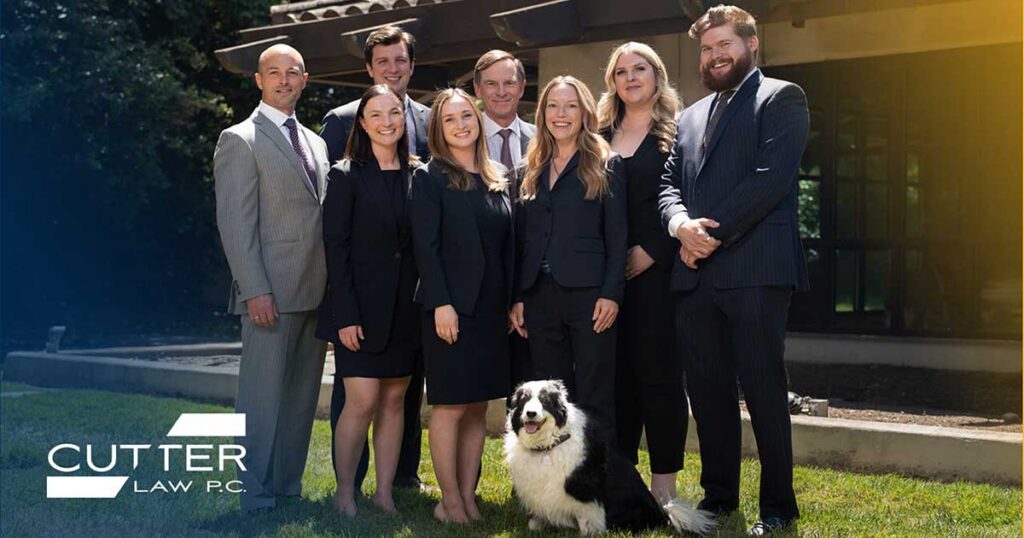
How Cutter Law Handles Class Action Cases
Cutter Law P.C. has spent decades representing class members and class representatives across California and nationwide. Brooks Cutter and John R. Parker Jr. have both been recognized by courts for their depth of knowledge in prosecuting class actions, and Brooks currently serves as co-lead counsel in active class actions against State Farm Insurance Co. and Skechers USA.
Our attorneys have successfully handled class action matters involving defective products, illegal company policies, privacy breaches, insurance disputes, wage theft, and more. We have recovered over $100 million for clients in class action and mass tort cases combined.
If you believe a company has harmed you and others in the same way, we offer a free, no-obligation consultation to help you determine whether a class action is the right path forward. We handle these cases on a contingency basis, meaning you pay nothing unless we win.

Brooks Cutter is the founder of Cutter Law P.C., a personal injury and class action firm with offices in Sacramento, Oakland, and Santa Rosa, California. A Stanford Law School graduate and former law clerk to Chief Judge James R. Browning of the Ninth Circuit, Brooks has spent decades fighting for seriously injured clients against corporations and insurers. He is nationally recognized in complex class action and mass tort litigation, has secured verdicts and settlements worth hundreds of millions of dollars, and has been named a Northern California Super Lawyer every year since 2005. He is fluent in Spanish and a devoted father of three.