
California’s Car Accident Reporting Laws
California law can require up to three reports after a crash: one to the police within 24 hours, one to the DMV within 10 days, and one to your insurance company. What you say in those reports matters as much as filing them on time, because insurers use every detail to decide what your car accident injury claim is worth.
If you were hurt, a car accident lawyer can handle the reporting for you and make sure nothing you file is used to pay you less.
"*" indicates required fields
- Police or CHP within 24 hours if anyone was injured or killed (Vehicle Code § 20008).
- DMV SR-1 within 10 days if anyone was injured, however minor, if anyone died, or if property damage to any one person exceeds $1,000. Every driver must file, regardless of fault.
- Your insurance company promptly, because most policies require notice even though state law does not.
- Skipping the SR-1 can get your license suspended, and leaving the scene without reporting is a crime.
- Insurers read every report to decide what your claim is worth, so what you say matters as much as filing on time.
California has four primary laws that govern reporting a car accident:
- CVC § 20008: If an accident injures or kills anyone, the driver must make a written report to the CHP or local police within 24 hours.
- CVC § 20010: If the driver is physically unable to make a required report, any occupant of the vehicle must make it.
- CVC § 16000: Any accident that causes an injury, a death, or more than $1,000 in damage to the property of any one person must be reported to the DMV on Form SR-1 within 10 days, regardless of who was at fault.
- CVC § 16002: If you were driving your employer’s vehicle, you must report the accident to your employer within five days. Your employer then reports it to the DMV within 10 days unless the vehicle is covered by qualifying insurance or a bond.
Each of these reports becomes part of the record insurers review when they decide what your claim is worth. Filing them on time protects your license, and filing them carefully protects your compensation.
Is it illegal not to report a car accident in California?
Yes. If a crash injures anyone, kills anyone, or causes more than $1,000 in damage to one person’s property, skipping the required reports breaks California law. Not filing the SR-1 with the DMV can get your license suspended, and driving away without stopping to exchange information is a crime even when no one was hurt. A small fender bender with no injuries and less than $1,000 in damage does not need to be reported to the DMV or police, but you still have to stop and share your name, address, license, and registration with the other driver. Even when a report is optional, it can be the strongest evidence you have later, because filing a claim without a police report makes it easier for an insurer to dispute what happened.
How long do you have to report a car accident in California?
You have 24 hours to make a written report to the CHP or local police if anyone was hurt or killed, and 10 days to file the SR-1 with the DMV if the crash meets the injury, death, or $1,000 property damage threshold. If you already missed the 10-day SR-1 deadline, file it anyway as soon as you can. A late report is far better than no report, and filing is what keeps or restores your driving privilege.
There is no set deadline in state law for telling your insurance company, but most policies require notice “promptly” or “as soon as practicable.” In practice, that means calling within a day or two. Waiting weeks gives your insurer a reason to question the claim, and it gives the other driver’s insurer room to argue your injuries came from something else.
Separate from these reporting deadlines, California generally gives you two years from the accident date to file a lawsuit for your injuries. Claims against a city, county, or state agency have a much shorter window. Our guide to the car accident statute of limitations explains each deadline.
How to File a Car Accident Report (SR-1) With the DMV
The SR-1, Report of Traffic Accident Occurring in California, is separate from any police or insurance report, and neither of those replaces it. You can file it online through the DMV’s accident reporting page, which is the fastest option. You can also download the form and mail it to the DMV Insurance Unit, Mail Station J237, P.O. Box 942884, Sacramento, CA 94284-0884, though paper reports take longer to process.
Before you start, have the following ready:
- Your driver’s license or ID card
- Your vehicle’s license plate number or VIN
- Your insurance company name and policy number
- The other driver’s name, vehicle, and insurance information
- The date, time, and location of the crash and the names of anyone injured
You do not have to file it yourself. The DMV allows your insurance agent, broker, or attorney to file the SR-1 on your behalf. The form also asks for each driver’s insurance information, and the DMV can suspend the license of a driver who was uninsured at the time of the crash. If the other driver had no coverage, read what happens if you are hit by an uninsured driver in California.
Keep your description of the crash short and factual. Do not guess at who caused it, and do not downplay your injuries. Anything you write on the SR-1 is part of the record, and an insurer can point to it later if your account seems to change.
How to File a Police Report for a Car Accident in California
The simplest way to report a crash is to call 911 from the scene. An officer can document the damage, take statements from each driver and witness, and note road conditions while the evidence is still fresh. Call 911 any time someone is hurt, a vehicle is blocking traffic, the other driver seems impaired, or the other driver tries to leave.
If no officer came to the scene and someone was injured or killed, you must make a written report within 24 hours. Crashes on freeways and in unincorporated areas go to the California Highway Patrol. Crashes inside city limits can go to either the CHP or the city police department, and whichever agency receives the report will forward it to the one responsible for investigating.
Before leaving the scene, every driver involved must stop and exchange names, addresses, driver’s license numbers, and vehicle registration information. If the other driver drives off without doing this, report it to police right away. Hit-and-run laws carry criminal penalties, and an early report gives investigators the best chance of finding the driver. If you hit an unattended car or damage someone’s property and cannot find the owner, leave a written note with your name and address in a visible spot and notify police or the CHP without unnecessary delay.
Be careful with what you tell the officer. Stick to the facts you know, avoid guessing about speed or distance, and do not apologize or say you are fine. Your words go into the report, and the other driver’s insurer will read it before making any offer.
How to File a Car Accident Report to the DMV in California
The DMV requires that accidents be filed using the SR-1 Accident Reporting Form. The California DMV website allows you to fill out the form and submit it online. You can also download a copy to deliver in person. Alternatively, your insurance company may file the report on your behalf.
What happens if I don't report a car accident?
The penalty depends on which obligation you skipped. If you do not file a required SR-1, Vehicle Code § 16004 allows the DMV to suspend your driving privilege until the report is filed. The suspension applies regardless of who caused the crash.
Leaving the scene is treated much more seriously. Driving away from a property damage accident without stopping and exchanging information is a misdemeanor under Vehicle Code § 20002, punishable by up to six months in county jail, a fine of up to $1,000, or both. If someone was injured, Vehicle Code § 20001 raises the penalty to up to one year in county jail or time in state prison and a fine of $1,000 to $10,000. If the crash caused death or permanent, serious injury, the prison term rises to two, three, or four years. A conviction also goes on your driving record under the California DMV points system.
Not sure whether you filed everything you needed to? Our car accident attorneys can review where you stand, file any missing reports, and protect your claim while we do it. Call 888-285-3333 or fill out the free case review form on this page.
Do I have to report a car accident to my insurance company in California?
California law does not require it, but your policy almost certainly does. Most auto policies make prompt notice a condition of coverage, so waiting too long can give your insurer grounds to deny the claim. Tell your own insurer the basic facts: when and where the crash happened, who was involved, and that you are getting checked out by a doctor if you have any symptoms.
The other driver’s insurance company is a different matter. Their adjuster may call within a day or two and ask for a recorded statement. You are not required to give one, and it is rarely in your interest. Before you talk to them, read our guide on whether you should speak with the other driver’s insurance company.
Hit-and-run crashes carry an extra deadline. To claim uninsured motorist benefits under your own policy after a hit-and-run, California law generally requires you to report the accident to police or the CHP within 24 hours and file a sworn claim with your insurer within 30 days.
Does a police report for a car accident automatically get sent to the insurance company?
No. Police departments do not send accident reports to insurers on their own. Usually the drivers, their insurers, or their attorneys request a copy, and the insurance companies on both sides will want one.
The officer may include an opinion about who caused the crash, but that opinion is not a legal finding. Under Vehicle Code § 20013, the accident reports drivers are required to file cannot be used as evidence at trial. Even so, insurers lean heavily on police reports when they decide fault and set an offer. California follows a comparative negligence system, so if a report puts even part of the blame on you, the insurer will use it to reduce what it pays.
If your report contains factual errors, such as the wrong street, a misstated vehicle direction, or a witness who was left out, you can contact the agency and ask about correcting it or adding a supplemental statement. Agencies rarely change an officer’s opinion on fault, but a lawyer can gather the evidence needed to challenge it.
How Do I Get a Copy of a Car Accident Police Report in California?
Start with the agency that responded, either the CHP or the local police or sheriff’s department. Officers usually give each driver a card or slip with the report number at the scene, and having that number makes the request much faster. If you do not have it, you can request the report using the date, time, location, and names of the drivers involved.
California limits who can get a copy. Drivers, injured people, vehicle owners, parents of injured minors, and the attorneys or insurers representing them generally qualify. Most agencies charge a small fee, and reports can take one to several weeks to be ready, especially if the investigation is ongoing.
If you hire an attorney, getting the report is part of the job. We request it, review it for errors, and compare it against photos, medical records, and witness statements before an insurer has a chance to use it against you.

Talk to a California Car Accident Lawyer About Your Report
Filing your reports on time protects your license. Filing them carefully protects your claim. If you were hurt in a crash, the decisions you make in the first few days, from what you tell the officer to how you describe the crash on your SR-1, can affect what you recover for medical bills, lost income, and pain and suffering.
Cutter Law P.C. represents injured drivers, passengers, cyclists, and pedestrians across California, including through our team of Sacramento car accident lawyers. We can handle the reporting, deal with the insurance companies, and build your claim while you focus on recovering. There is no fee unless we recover compensation for you.
Call 888-285-3333 or fill out the free case review form to talk with our team today.
If you’ve been in an accident and are unsure of your legal rights or the legal requirements expected of you, the car accident lawyers at Cutter Law P.C. can help. Our legal team will answer your questions and work with you to build your claim and better understand all legal requirements after a crash.
Contact us today for more information about a free case review.
California Car Accident Reporting FAQs
Do I need to report a minor car accident with no police report?
If no one was hurt and damage to each person’s property is $1,000 or less, you do not have to report it to the police or the DMV. You still must stop and exchange information with the other driver. Repair costs are hard to judge at the scene, though, and pain from a crash often shows up the next day. If you’re unsure, filing a report is the safer choice.
Can I report a car accident a few days later?
Yes. The SR-1 deadline is 10 days, and police agencies will generally take a report after the fact. If someone was injured, the 24-hour written report requirement still applies, so report as soon as you can. A late report is always better than none.
What should I do right after a car accident?
Get medical care, call 911 if anyone is hurt, photograph the scene, exchange information, and avoid discussing fault. Our checklist of what to do and not do after a car accident walks through each step.

You have two years to file a lawsuit for personal injury related to a car accident. You have three years to file a claim for property damage from a car accident.

After a car accident in California, do report it to the police, seek medical treatment, and contact your insurance company, but don’t admit fault, accept a low settlement too soon, or post about the accident on social media.
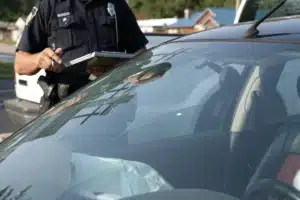
In California, while a police report is not required to file a car accident claim, having one can simplify the process by helping resolve disputes and provide critical evidence to support your case.